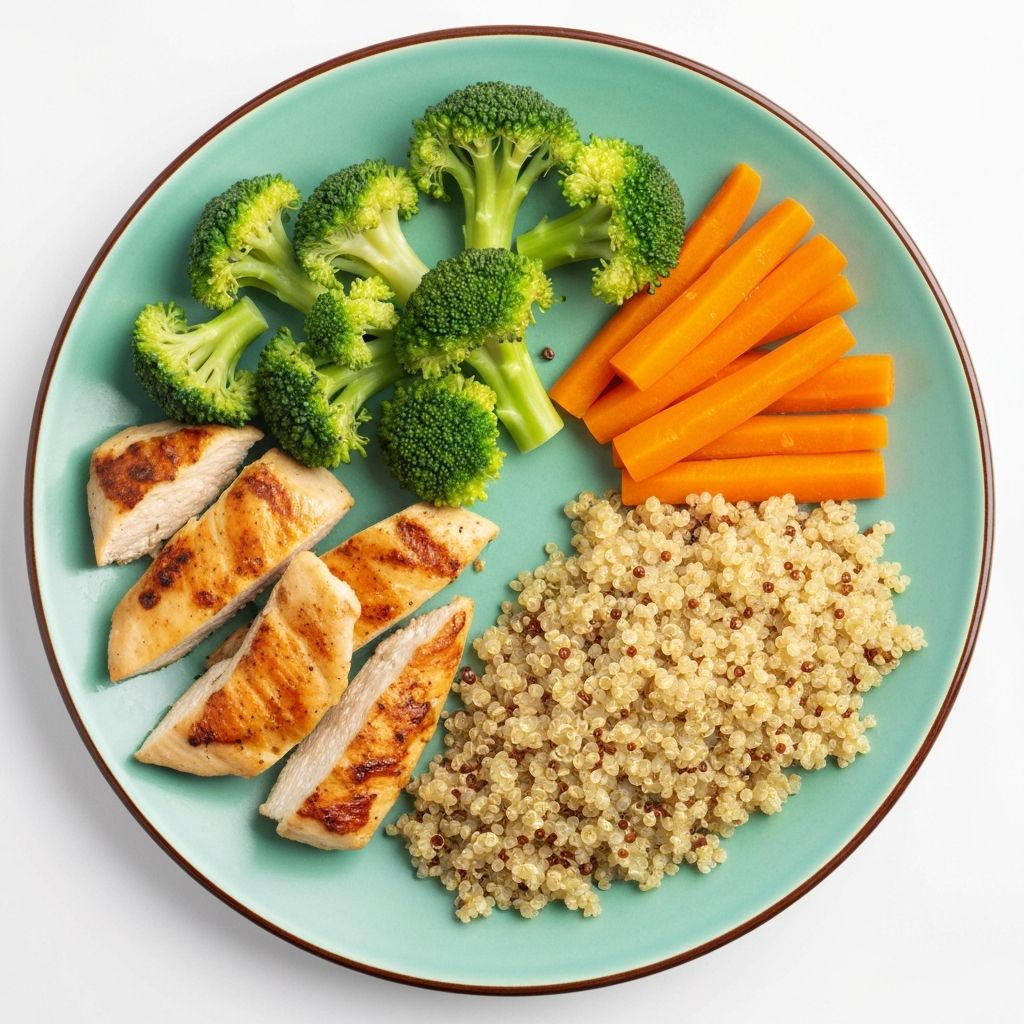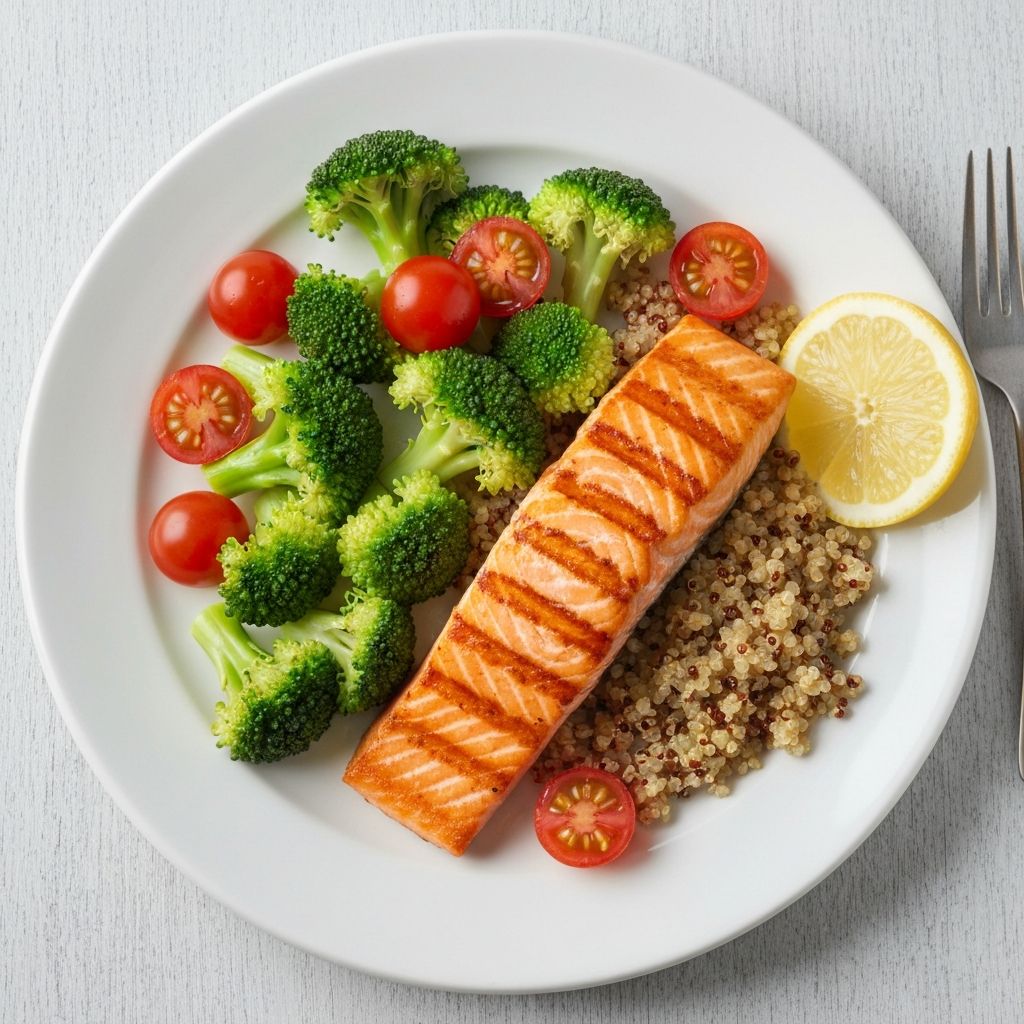
Balanced meal on a plate with vegetables, proteins, and grains

Welcome to PracticalPlate

An independent educational resource dedicated to explaining the science of balanced nutrition and how your body uses food for energy.

Educational content only. This site provides general information about nutrition science. It is not a medical service and offers no personalised recommendations or promises of health outcomes.

Understanding Practical Nutrition

Balanced nutrition is built on basic principles: your body needs energy from food, different food groups serve different functions, and various factors influence how your body processes what you eat.

This resource explains these concepts in straightforward terms, drawing on nutritional science to help you understand how food, movement, sleep, and daily habits all play a role in your overall well-being.
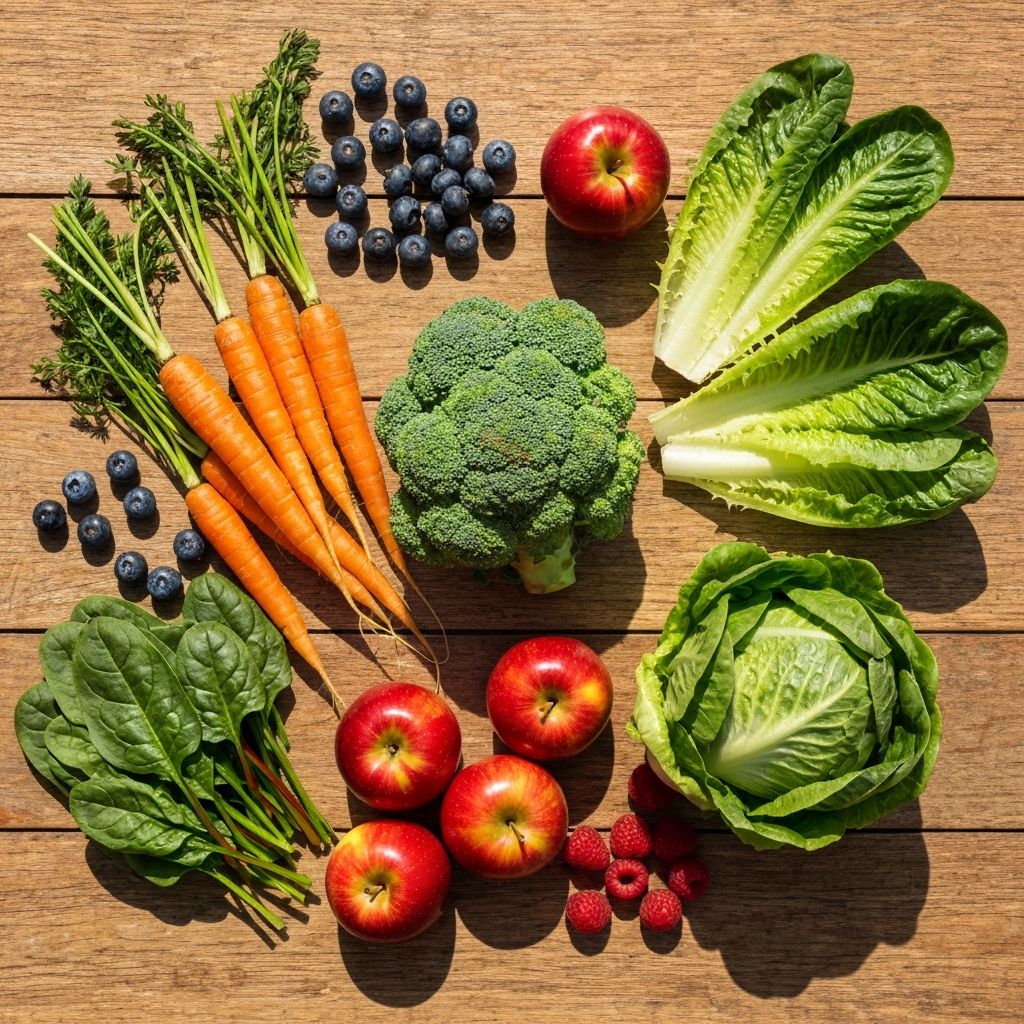
Colorful arrangement of fresh vegetables and fruits

Common Misconceptions About Food

Myth: Portion Size Is One Size Fits All

Reality: How much food different people need varies based on age, activity level, metabolism, and individual circumstances. Nutrition science recognises this diversity rather than prescribing universal portions.

Myth: Certain Foods Have Magical Properties

Reality: No single food or combination guarantees specific outcomes. Balanced eating involves understanding how different foods contribute nutrients and energy to your daily diet.

Myth: Energy In vs Energy Out Is Oversimplified

Reality: While energy balance is important, many factors influence how your body processes food, including sleep quality, stress levels, hormonal patterns, and genetic variation.

Myth: Speed of Results Equals Effectiveness

Reality: Sustainable approaches to nutrition involve gradual, consistent habits rather than rapid transformations. Research emphasises long-term patterns over quick changes.

The Role of Different Food Groups

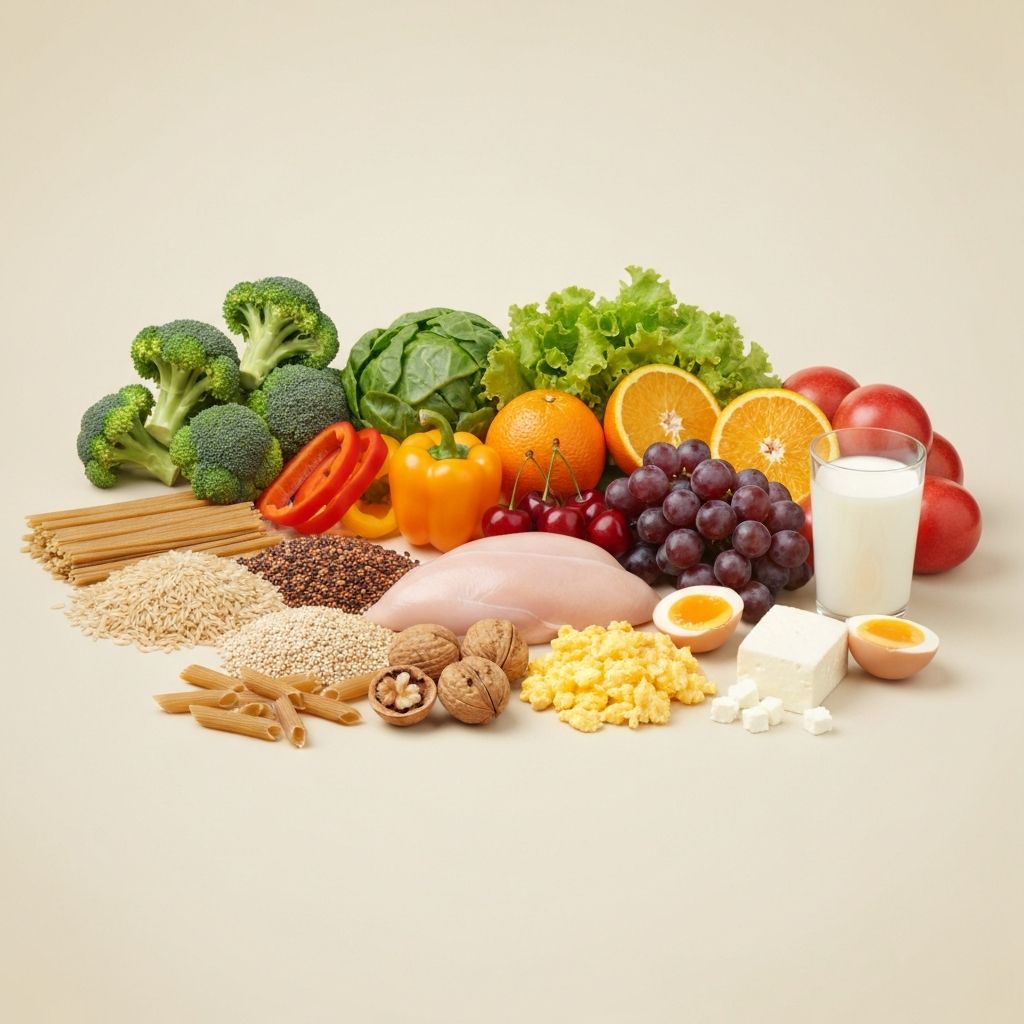
Display of various food groups including vegetables, fruits, grains, proteins, and dairy

Your body needs nutrients from different sources. Vegetables and fruits provide vitamins, minerals, and fibre. Whole grains offer sustained energy. Proteins support muscle and tissue maintenance. Healthy fats are essential for cellular function.

Understanding what each food group contributes helps you recognise why variety matters in your daily intake. Balanced eating means including sources from different groups throughout your day.

Daily Habits and Energy Use

How your body uses energy from food depends on more than just what you eat. Physical activity, the quality of your sleep, stress levels, and daily movement patterns all influence energy processing.

Regular movement, consistent sleep, proper hydration, and stress management are interconnected with how your metabolism functions. These everyday habits create the foundation for how your body processes nutrition.

Person jogging outdoors in a natural setting

Explore Our Articles

Discover detailed explanations on specific aspects of nutrition science and weight science.

Balanced meal with different food components

What Balanced Eating Actually Involves

A straightforward overview of what nutrition science says about combining different foods into your daily meals.

Continue to the article →
Scientific representation of energy and food science

Energy from Food: How It Works

Understanding how your body extracts energy from food and uses it for daily functions and movement.

Continue to the article →
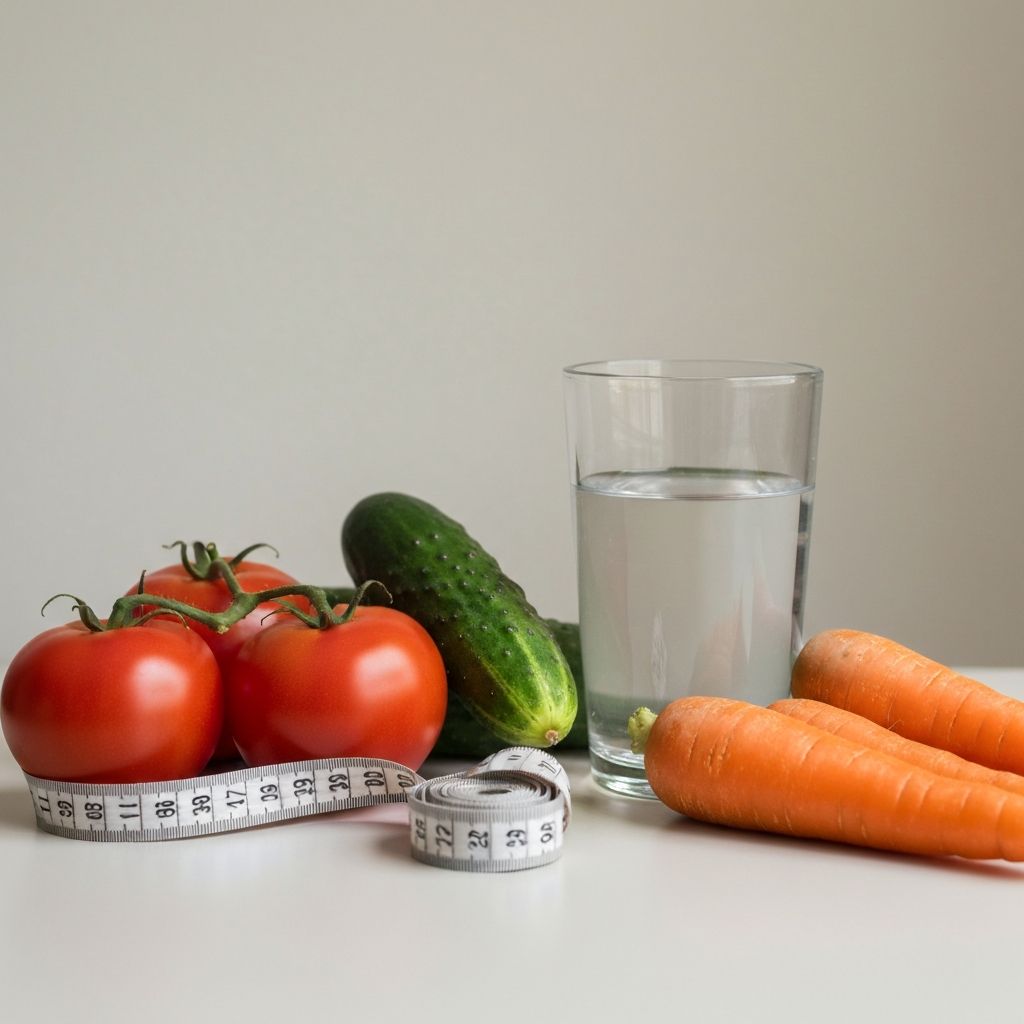
Measuring tape and fresh vegetables

Everyday Factors in Body Weight Science

Exploring the research on how multiple lifestyle factors influence body composition beyond just nutrition.

Continue to the article →

Frequently Asked Questions

Is this site a replacement for professional medical advice?

No. This is an educational resource explaining general nutrition concepts. For personalised advice about your health or dietary needs, consult a qualified healthcare professional.

Do you offer personalised meal plans?

No. PracticalPlate explains general nutrition science principles. Individual recommendations should come from a healthcare provider or registered dietitian who knows your personal circumstances.

Can I find information about specific diets?

We explain general principles about how different foods work in your body and how various approaches to eating are understood in nutrition science, but without recommending any particular diet.

Why does the site focus on facts rather than personal stories?

Individual experiences vary greatly. We prioritise evidence-based information that applies broadly to understanding nutrition and body science, rather than anecdotal accounts.

Is there information on weight loss or weight gain?

We explain the science of how your body composition changes based on various factors. Specific advice about weight should come from a healthcare professional.

Who created this resource?

PracticalPlate is an independent educational site dedicated to clear, evidence-based explanations of nutrition and weight science.

Learn More About Nutrition Science

Visit our blog to explore detailed articles on specific topics in nutrition and weight science.

View All Articles